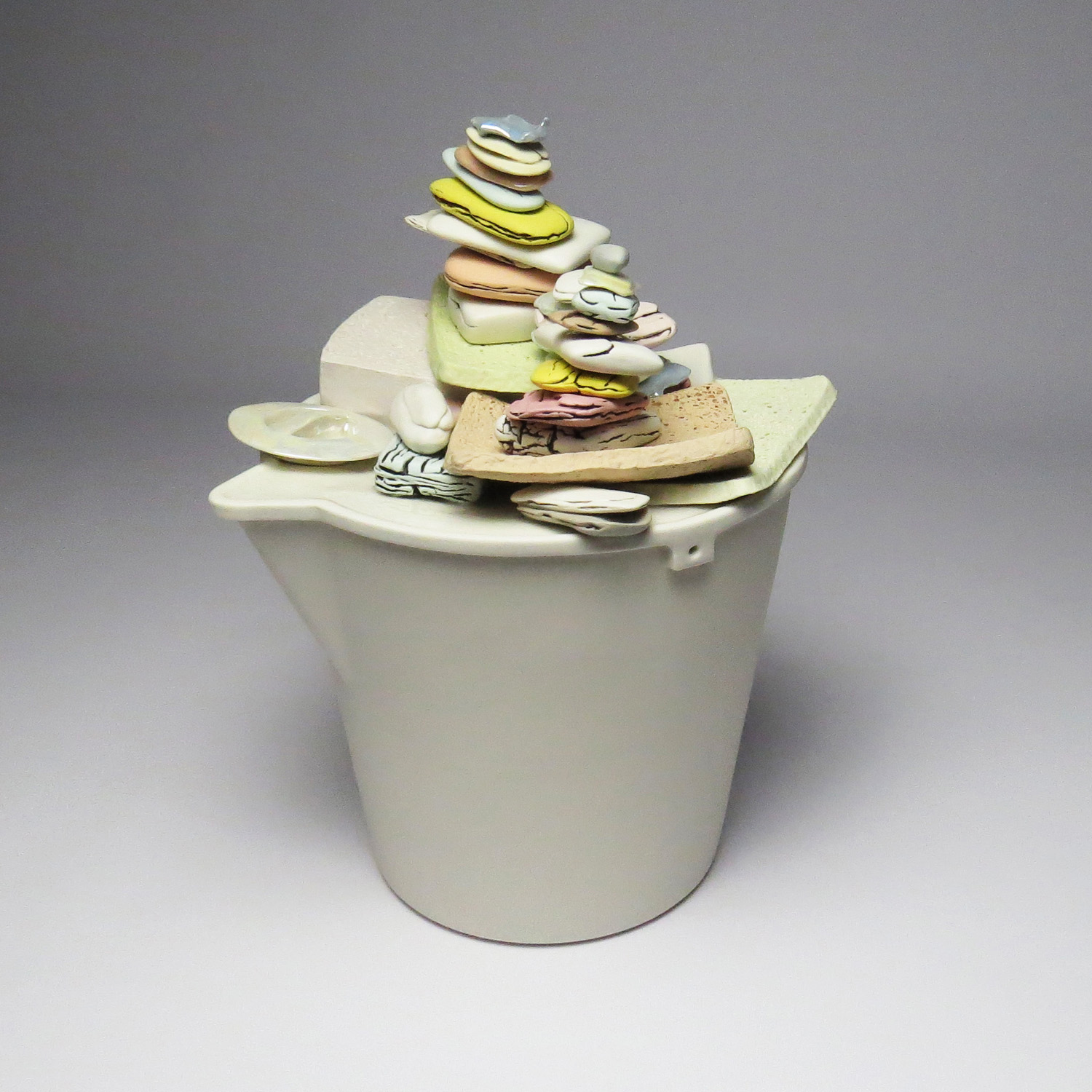
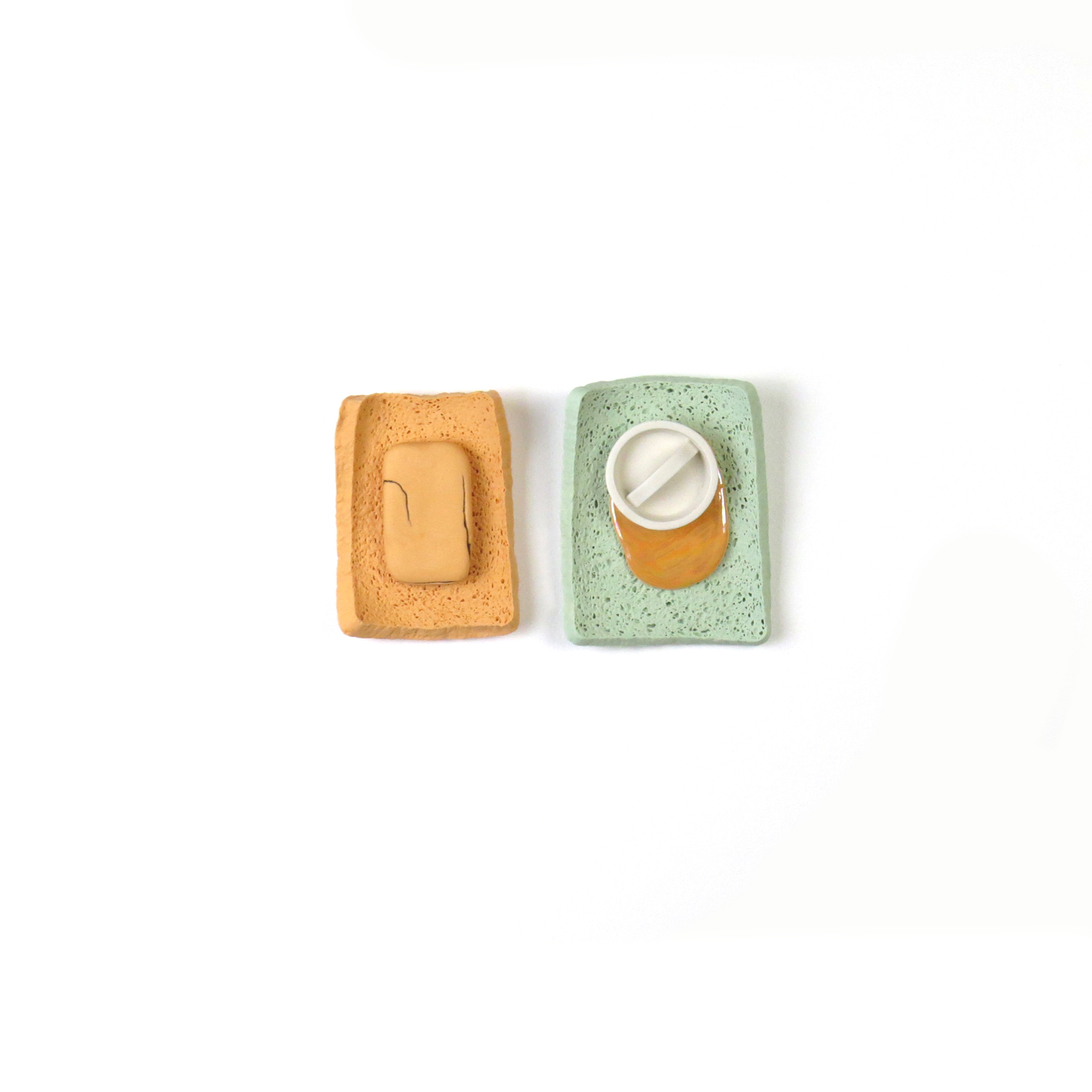
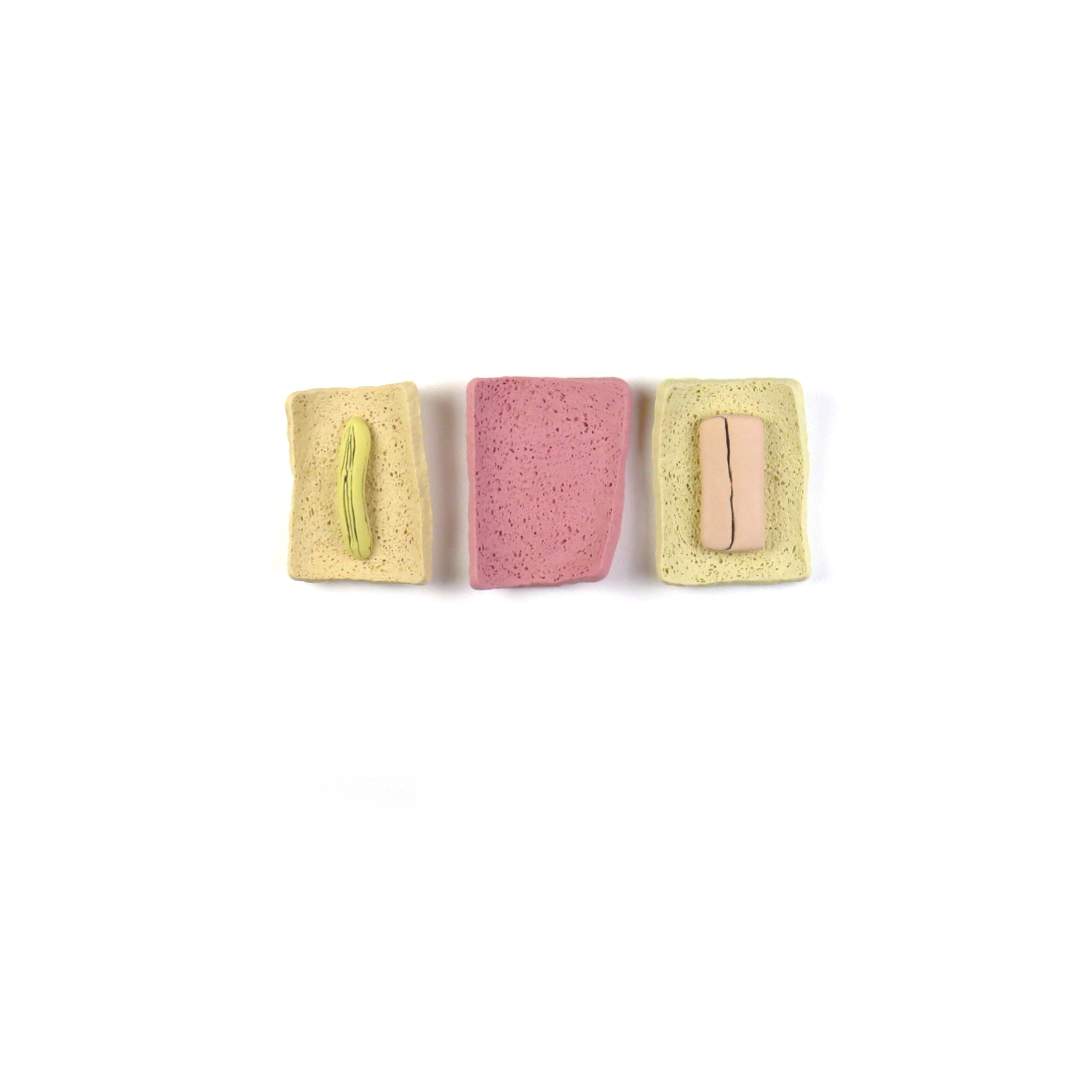
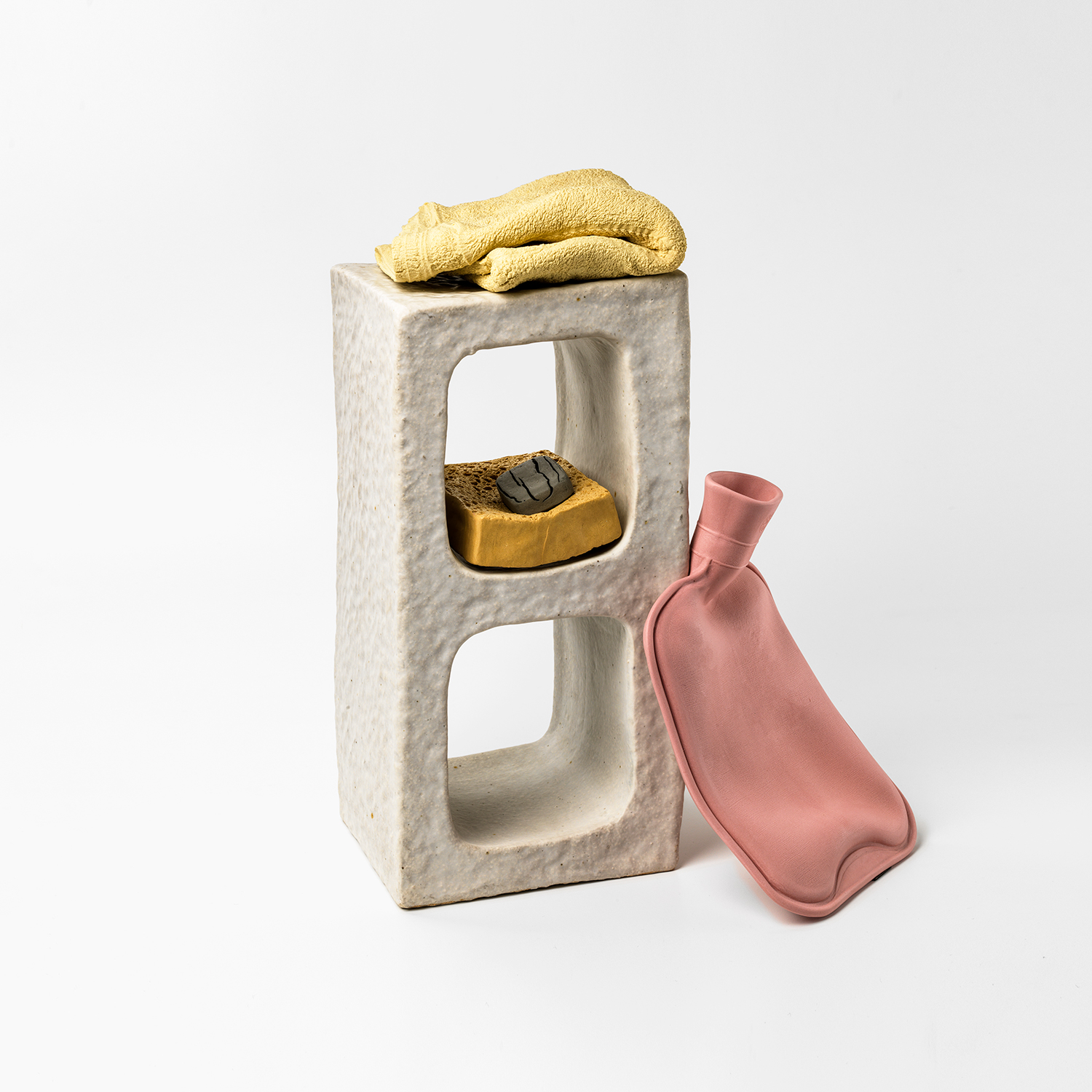
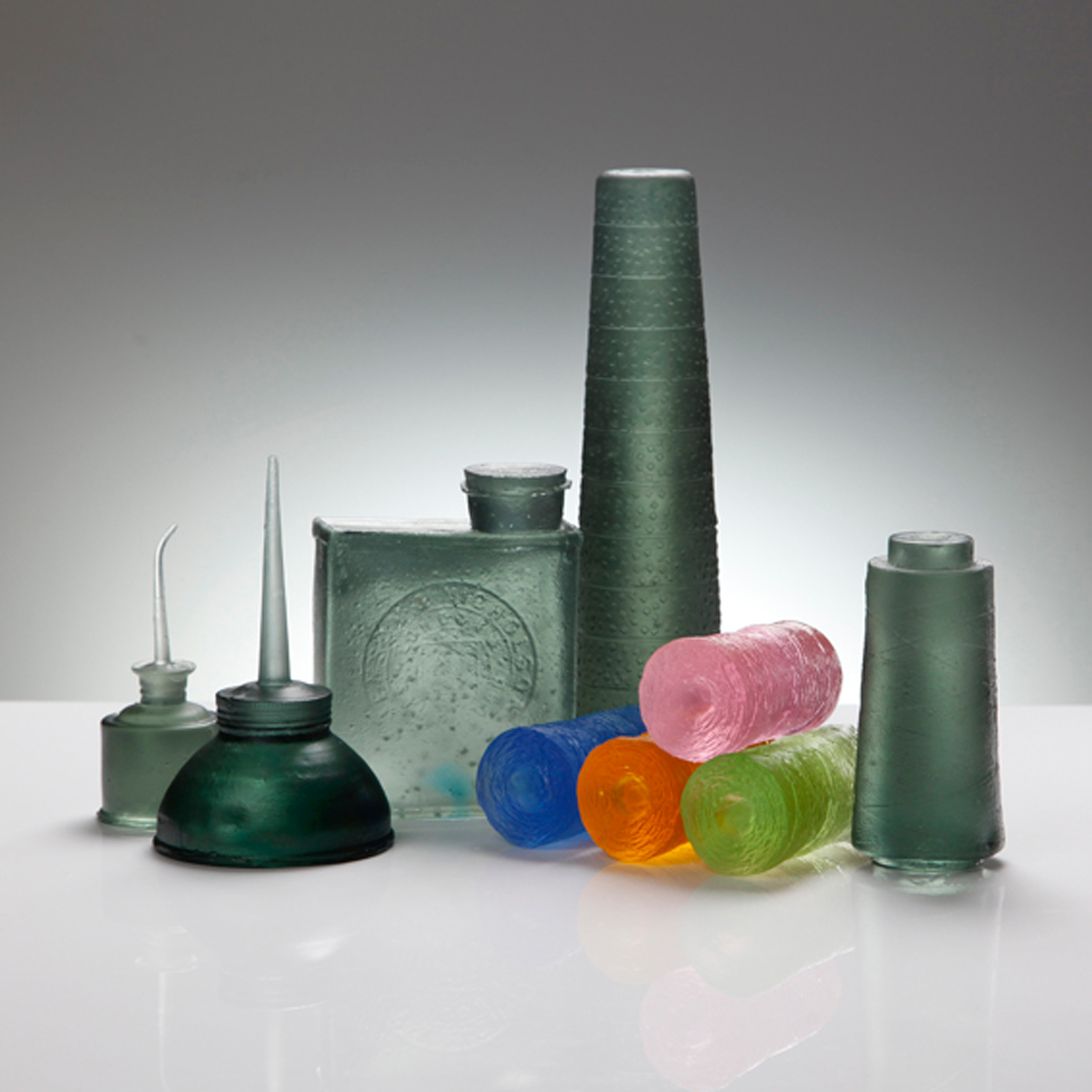
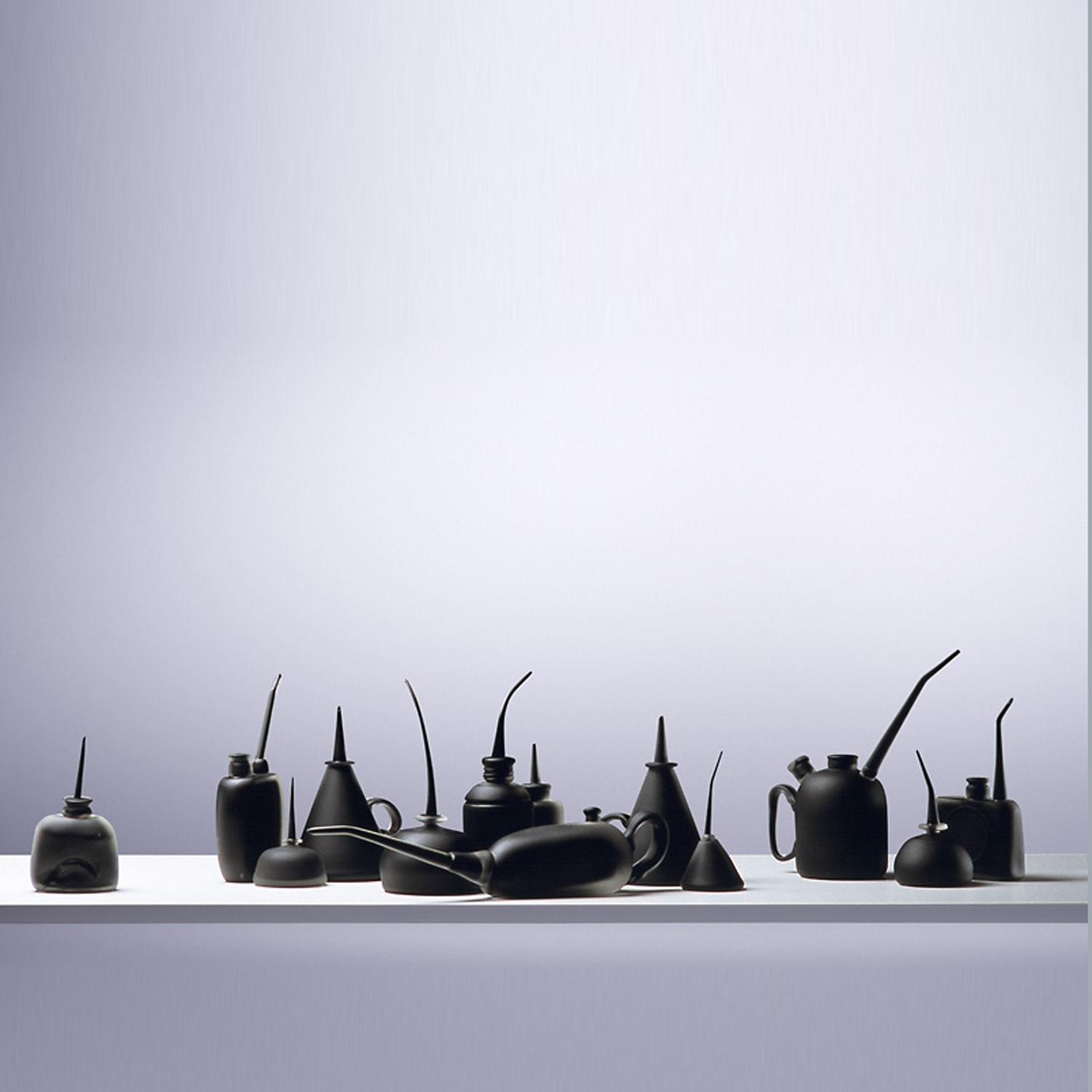
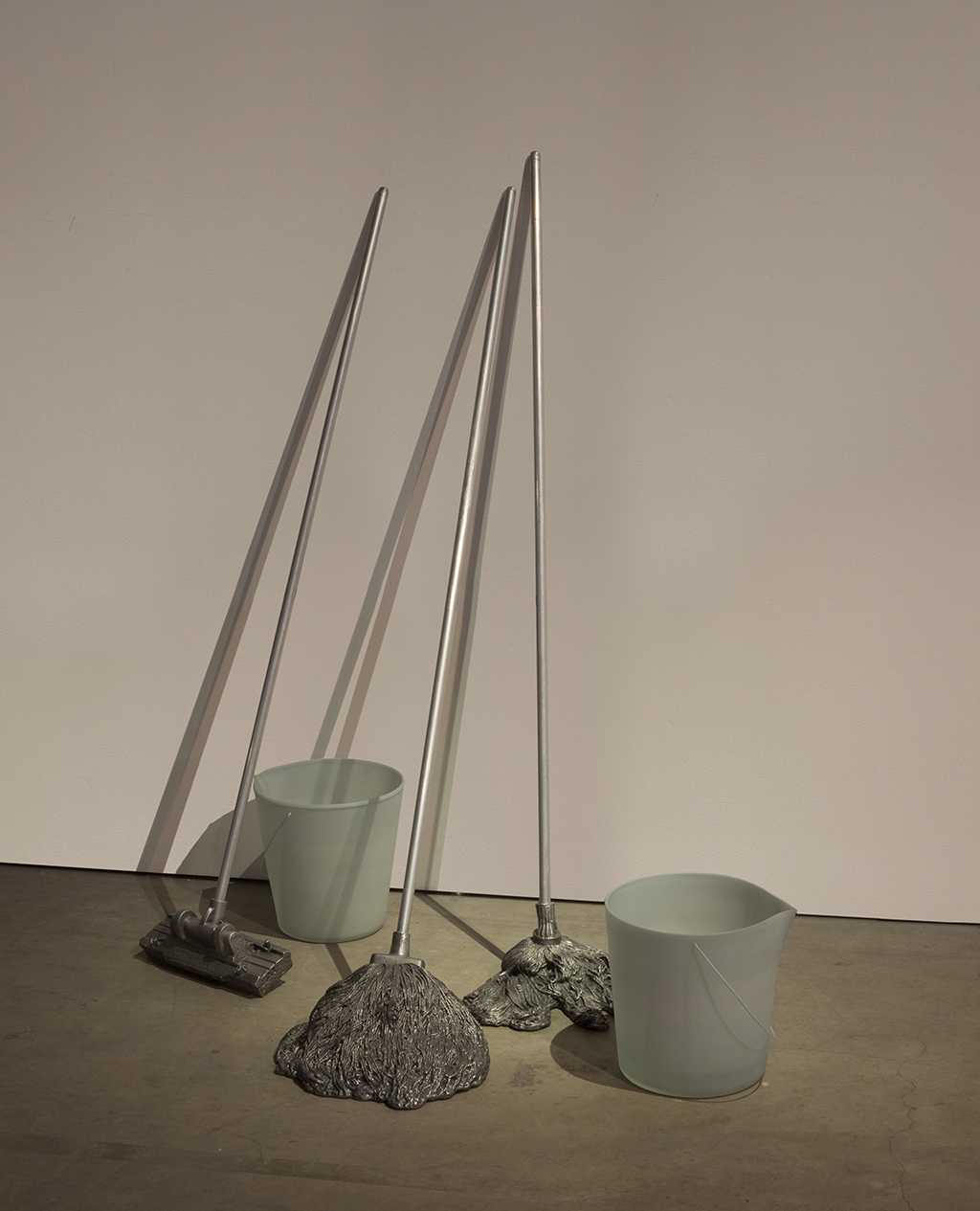
Honor Freeman is an artist living and working in the Fleurieu Peninsula on the traditional lands of the Ngarrindjeri/Ramindjeri people in South Australia. Her practice utilises the mimetic properties of porcelain, crafting objects that belie their materiality and purpose.
Freeman completed her studies in 2001 at the South Australian School of Art. Following graduation, Honor took up an Associate position and Tenant residency in the ceramics studio at Jam-Factory Craft & Design. Her work has been curated into major exhibitions at institutions throughout Australia, including the MCA, Tarrawarra Museum of Art and The PowerHouse Museum. She has undertaken international residencies at Guldagergaard, Denmark’s International Ceramic Museum and in the US at Indiana University’s School of Art & Design. In 2006 Freeman travelled to Chile to exhibit and participate in the The South Project, continuing her project on/off/on, installing porcelain light switches and powerpoints clandestinely in public spaces. In 2018 she was invited to undertake the Guildhouse Collections Project at the Art Gallery of South Australia, the outcome of this residency Ghost Objects, was exhibited in 2019 as part of SALA Festival.
Her work has appeared in national and international publications including: 1001 Remarkable Objects published by the Powerhouse Museum, 101 Contemporary Australian artists, published by the NGV; Earth & Fire : modern potters, their tools, techniques and practices by Kylie and Tiffany Johnson; the international publication by Louisa Taylor, Ceramics Masterclass : creative techniques of 100 great artists; and Glenn Barkley’s recently published Ceramics: An Atlas of Forms.
Exhibiting since 2000, Honor’s work is represented in numerous public institution collections including the National Gallery of Victoria, Art Gallery of South Australia, ArtBank, The powerhouse Museum and Washington DC’s National Museum of Women in the Arts. In 2023, Freeman was a recipient of an Arts South Australia Fellowship.
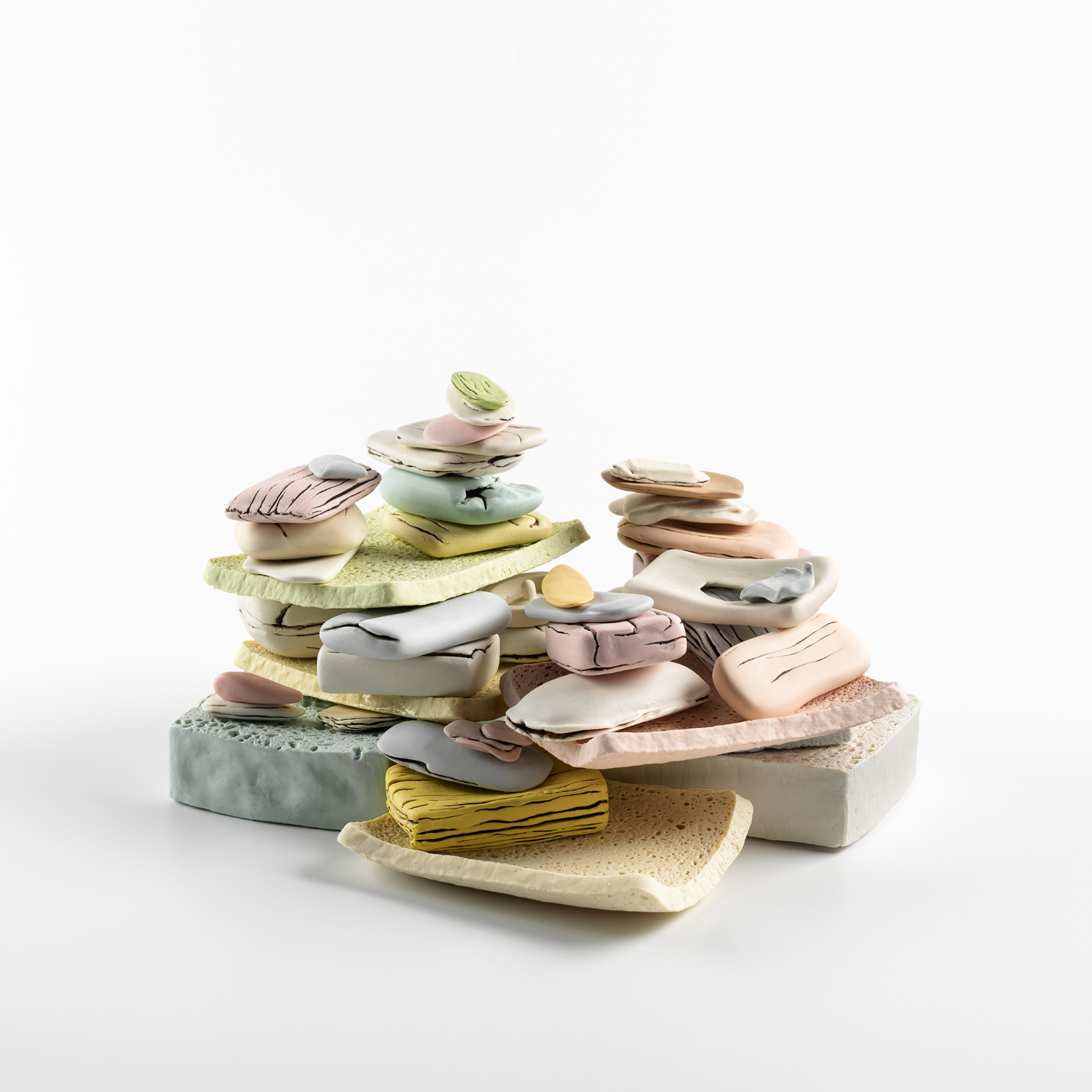
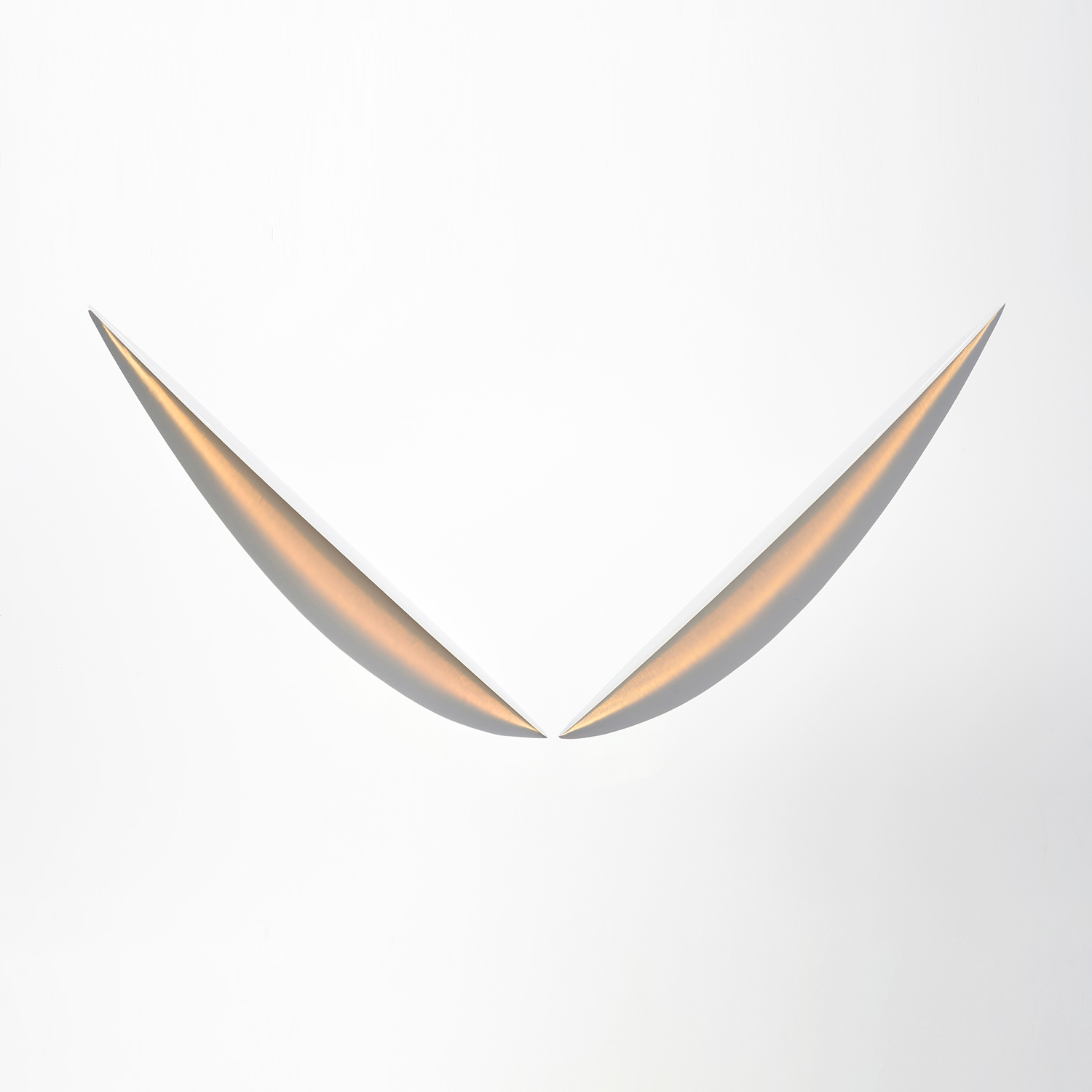
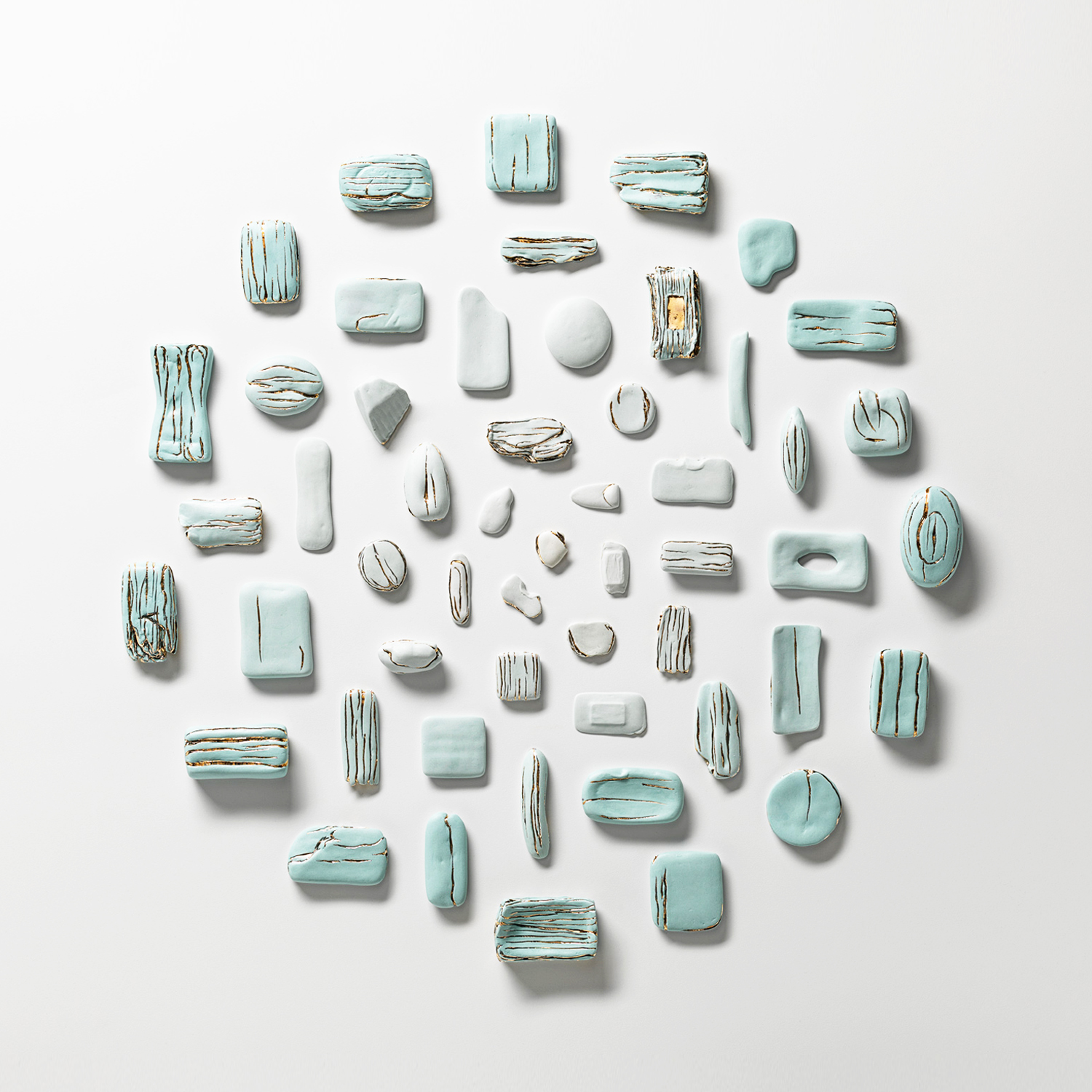
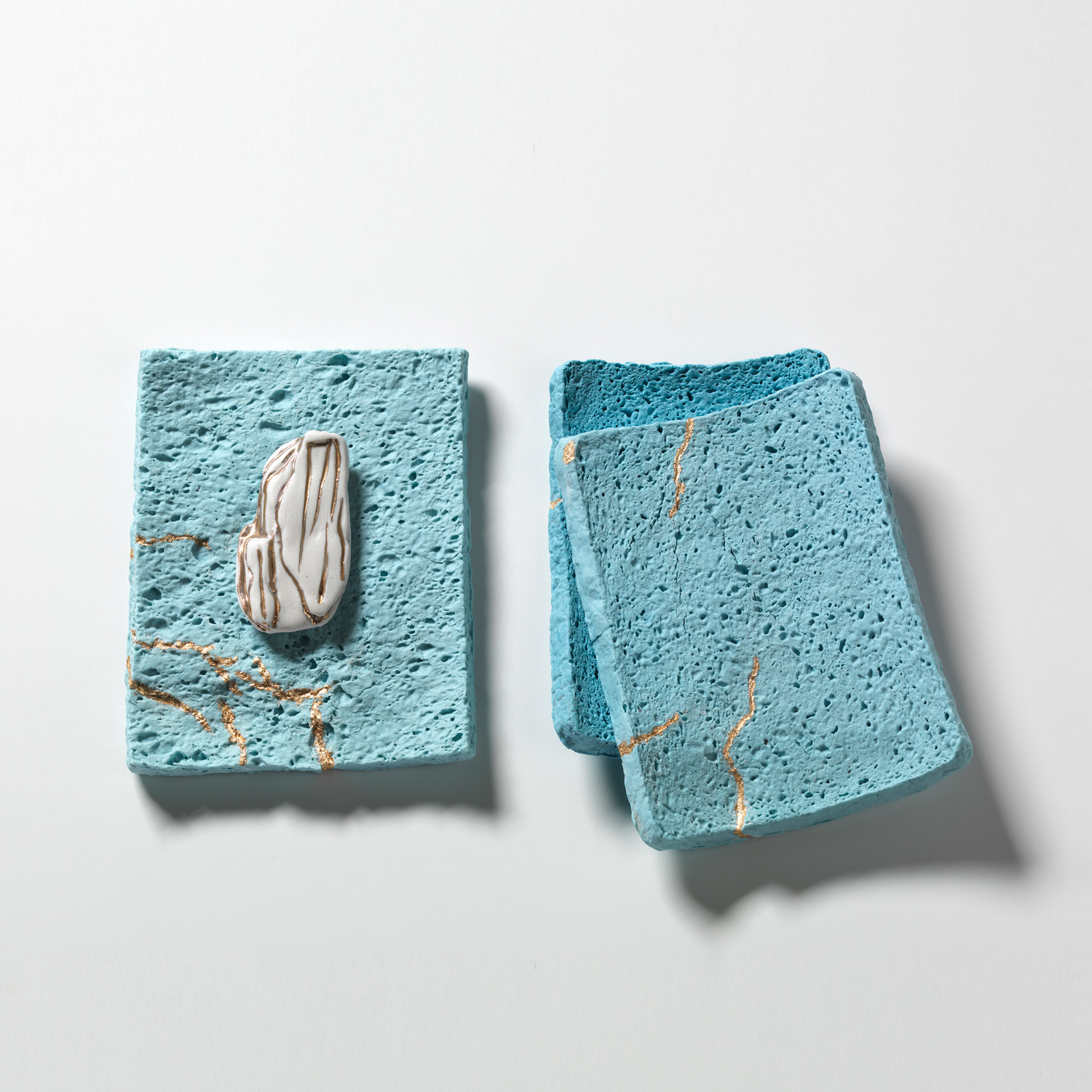
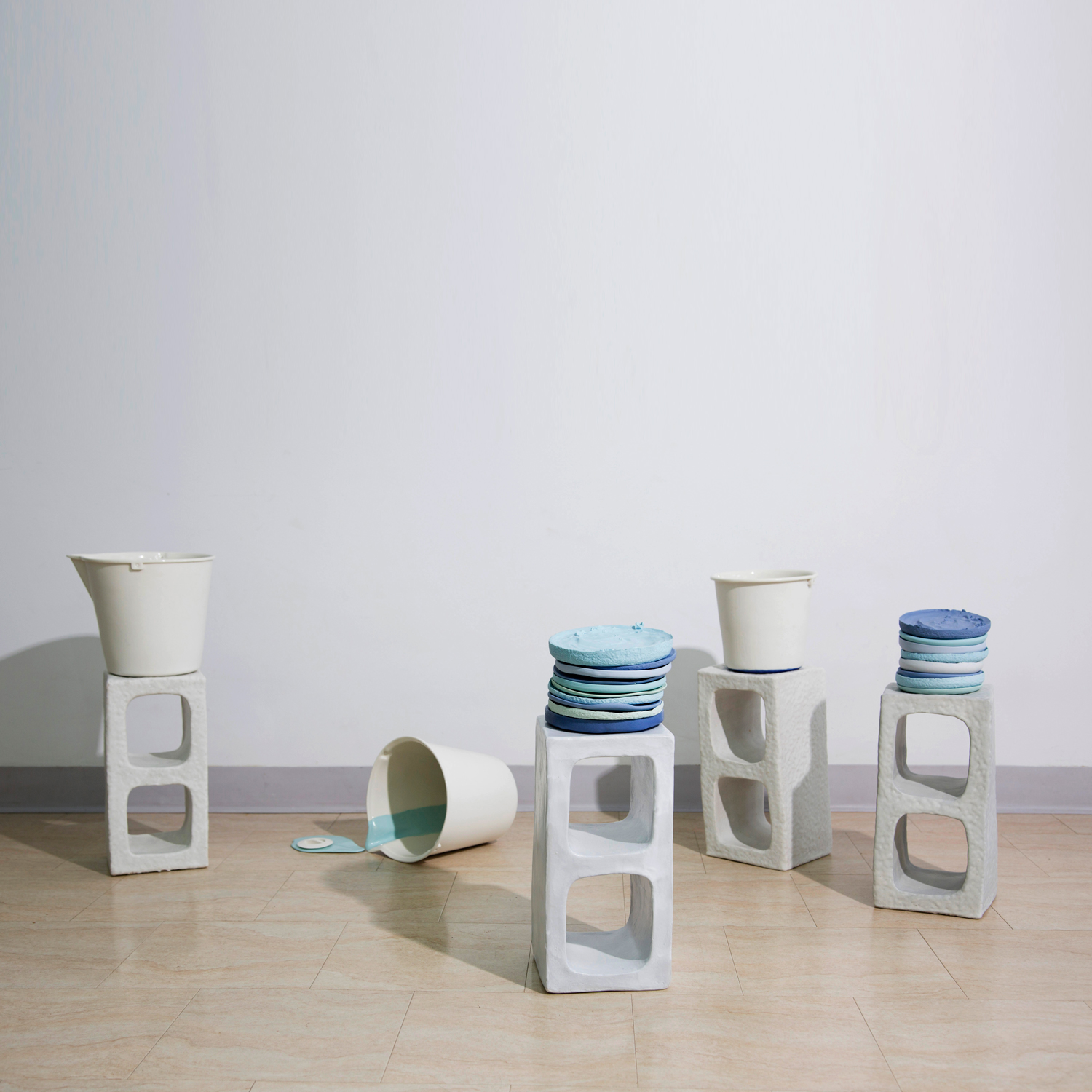
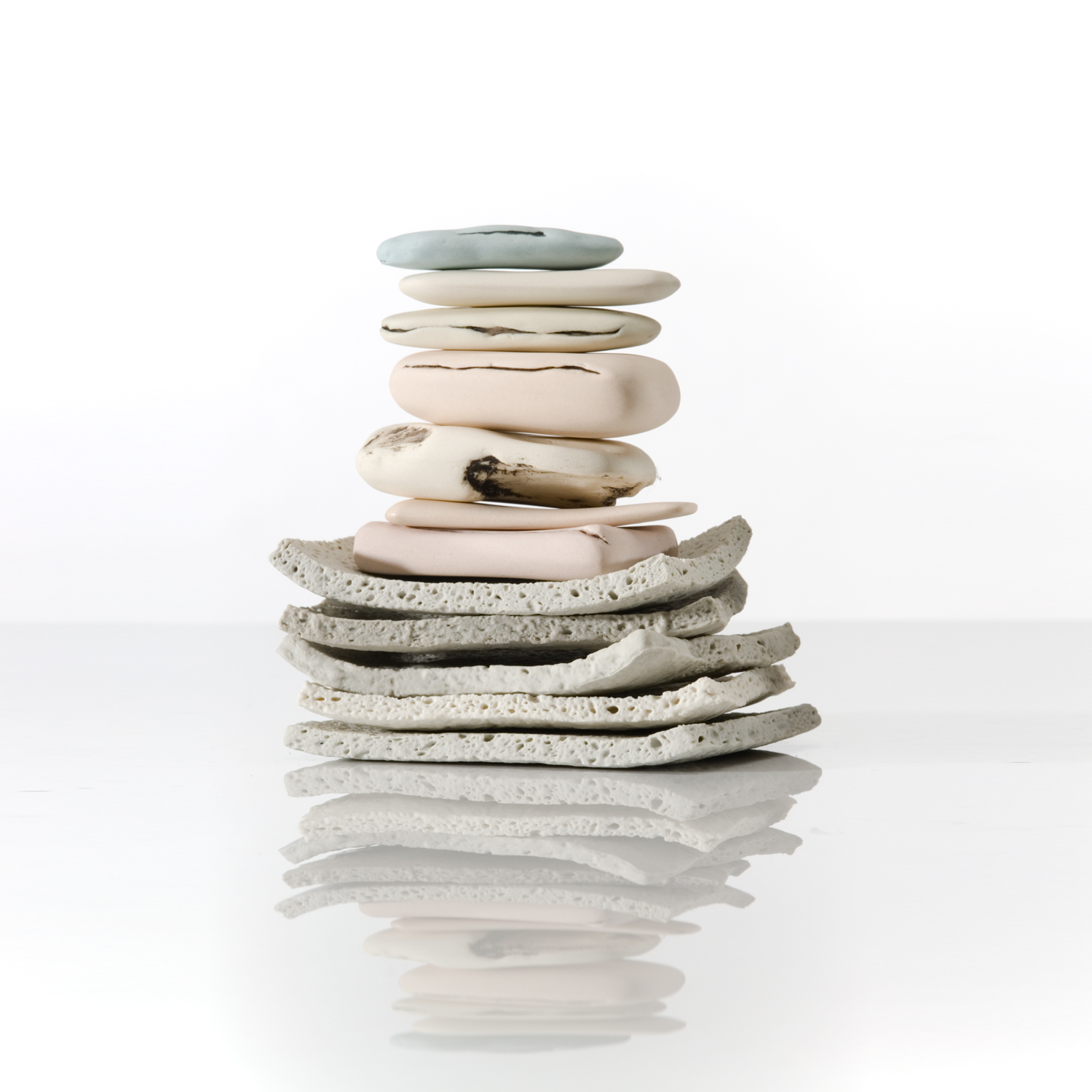
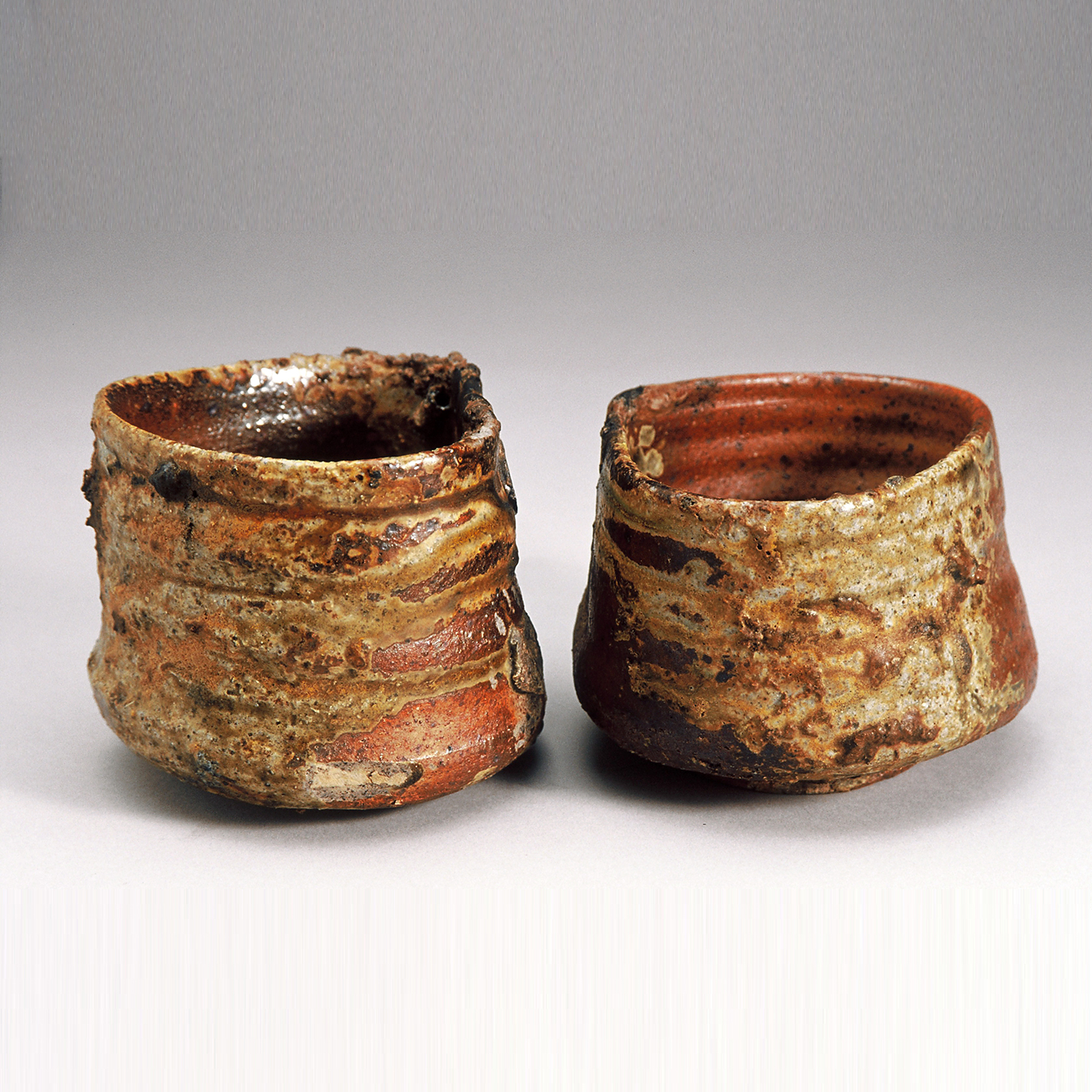
There is a careful observation of the quiet and common within my practice. Harnessing the mimetic qualities inherent in clay with the process of slip casting the work conveys ideas of material transformation. An ordinary alchemy of the common and unremarkable into sculptures that belie their materiality and purpose Clay is a material that embodies both control and chaos. Ideas of containment occupy the making and embrace clay’s capricious nature, exploring the ruptures, leaks, and growths and highlighting the tensions between material dualities: soft/hard, beautiful/ugly, fragile/durable, liquid/solid.
Unremarkable items intimately connected with the body—chewing gum, soap, towels, sponges, pillows, hot water bottles—are cast in porcelain and transformed into strange souvenirs and nostalgic relics from the domestic landscape. These ubiquitous objects, caught between discarded beauty and unsettling decay, reflect their leaking and rupturing states. The porcelain casts echo the original objects; the liquid slip turns solid and becomes a memory of a past form – a ghost object.
Honor Freeman, 2025